September 26, 2026
Tooth Extraction Near Me: When to See a Dentist in Simcoe Ontario
By @messiahxlqj669
Typing “tooth extraction near me” into a search bar usually means something has already gone wrong. Sometimes it is sharp pain that keeps you awake. Sometimes it is a cracked molar from biting down on something hard. Sometimes it is a quiet, nagging issue that has been building for months, then suddenly becomes impossible to ignore.
For patients in Norfolk County, that moment often comes with a practical question as much as a medical one: do I need to be seen right away, or can this wait? If you are looking for a dentist in Simcoe Ontario, it helps to know which symptoms point to a true dental urgency, what an extraction appointment actually involves, and what your options may be afterward.
Tooth extraction is common, but it is never a casual decision. A good dentist tries to save natural teeth when that is realistic and healthy. Fillings, crowns, root canal treatment, gum therapy, and bite adjustments all have a place. Extraction enters the picture when the tooth can no longer be restored predictably, when infection threatens surrounding tissue, or when keeping the tooth would create larger problems than removing it.
Why some teeth need to come out
People often assume extractions happen only because of severe decay. Decay is certainly one reason, but not the only one. In day to day practice, teeth are removed for a range of causes, and the details matter.
A tooth may be badly broken below the gumline after trauma. A large cavity may have destroyed too much structure to support a filling or crown. Advanced gum disease can loosen a tooth to the point where chewing becomes difficult and the surrounding bone is already compromised. Wisdom teeth can cause repeated infections, crowding pressure, or damage to neighboring molars. In some cases, a tooth has had previous treatment, but the root fractures later, making repair impossible.
There are also situations where extraction is part of a bigger treatment plan. A patient preparing for dentures may need hopeless teeth removed first. Someone considering orthodontic treatment may be referred for a selective extraction, although modern orthodontics often works hard to avoid this when possible. A person replacing a failing tooth may discuss dental implants Ontario providers offer, especially if long term stability is the goal.
The key point is simple: extraction should solve a problem, not create a new one. That is why a proper exam, X-rays, and a candid discussion matter before anything is removed.
The signs that should not be ignored
Dental pain has a way of distorting judgment. Some people minimize serious symptoms because they are busy. Others assume the worst over discomfort that could be managed conservatively. The best approach is to watch for patterns that dentists associate with active infection, structural damage, or worsening disease.
Here are five reasons to call promptly rather than wait and see:
- You have swelling in the gum, face, or jaw, especially if it is spreading.
- Pain is severe, throbbing, or waking you up at night.
- A tooth is cracked, loose, or broken and the sharp edge is cutting your tongue or cheek.
- You notice pus, a bad taste, or a foul odor coming from one area.
- You have fever, trouble swallowing, or difficulty opening your mouth comfortably.
That last point deserves emphasis. Once swelling affects swallowing, breathing, or the ability to open the mouth, the issue may be more than routine dental discomfort. A spreading dental infection can become serious quickly. Those symptoms call for urgent professional assessment.
Less dramatic symptoms can still matter. A tooth that hurts only when chewing may have a crack. Intermittent swelling that settles, then returns, often points to a chronic infection that is draining and flaring. A darkened tooth after a sports injury may have lost vitality even if it is not painful yet. I have seen patients walk around for months with a “small annoyance” that turned out to be a non-restorable tooth and significant bone loss around it.
When “wait a few days” is reasonable, and when it is not
Not every dental problem needs same day removal. That is worth saying clearly, because anxiety often drives people to expect immediate extraction before the diagnosis is even complete.
If you chipped a tiny corner off a tooth and there is no pain, infection, or exposed nerve, the appointment can usually wait a bit. If a filling has fallen out but the tooth is not acutely painful, the dentist may have time to assess and repair it before the situation worsens. Mild tenderness after biting something hard may settle, particularly if the ligament around the tooth is bruised rather than the tooth itself.
What should make you more cautious is escalation. Pain that increases over 24 to 48 hours, swelling that was not there before, sensitivity turning into spontaneous throbbing, or an inability to chew on one side are all signs that the problem is moving in the wrong direction. Teeth rarely heal the way a scraped knee does. Once a tooth is infected or structurally failing, home care may buy time, but it usually does not reverse the issue.
What to expect at the dental visit in Simcoe
Patients often imagine an extraction visit as a rushed emergency procedure. In reality, a competent appointment starts with diagnosis. Your dentist will review your symptoms, look at the tooth clinically, and usually take an X-ray. That image helps determine whether the tooth is decayed, abscessed, fractured, impacted, or compromised by bone loss. It also shows root shape, proximity to nerves or sinuses, and whether a routine extraction is likely or whether referral is smarter.
This is where local judgment matters. A dentist in Simcoe Ontario who knows the patient, understands their medical history, and sees the practical realities of follow up can tailor the plan better than an internet search ever will. If the tooth is salvageable, a good clinician will say so. If it is not, they should explain why in plain language.
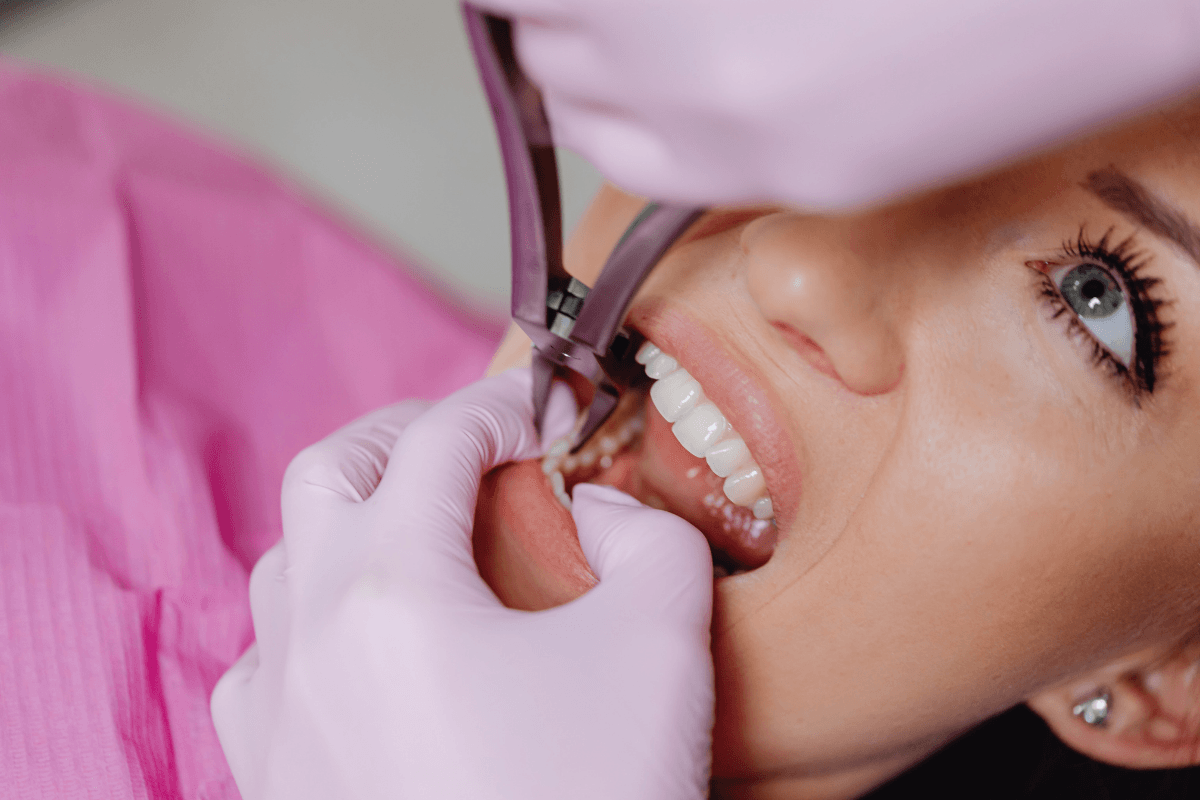
The procedure itself depends on the tooth. A simple extraction usually involves local anesthetic, gentle loosening of the tooth, and removal with instruments designed to preserve surrounding bone. Surgical extraction is different. If the tooth is broken at gum level, impacted, or difficult to access, the dentist may need to lift the gum, remove a small amount of bone, or section the tooth into pieces.
Most patients feel pressure more than sharp pain during the procedure if the freezing is adequate. That pressure can be unsettling, especially for anxious patients, but it is expected. The length of the appointment varies widely. An easy lower incisor may take only minutes once numb. A heavily restored molar with curved roots can take much longer.
A few words about anxiety, because it is common
Fear around extractions is not rare. It is one of the most common reasons people delay care until a manageable problem becomes a painful one.
Some patients are afraid of the injection. Others had a difficult dental experience years ago and assume every visit will feel the same. Some are embarrassed that they waited too long. In practice, those concerns are easier to work with when they are stated upfront. Dentists can pace the appointment, explain each step, discuss sedation options if appropriate, and build in breaks.
I remember one patient who arrived convinced she would need to “just tough it out” because that was how dentistry had gone for her decades earlier. What changed the whole appointment was not a miracle technique. It was slowing down, confirming profound numbness before starting, and telling her exactly what sensation to expect. She left saying the anticipation had been worse than the treatment.
Not every painful tooth should be extracted
This is one of the most important points in the whole discussion. A tooth can hurt badly and still be worth saving. Deep decay, nerve inflammation, old leaking restorations, and even some fractures can sometimes be managed with endodontic treatment and a crown. If the bone support is sound and the crack does not extend beyond repair, preserving the tooth may be the best choice.
That said, there are trade-offs. Root canal treatment on a heavily compromised molar may cost more than extraction and still carry a guarded long term prognosis. A tooth with repeated prior work, minimal healthy structure left, and advanced gum loss may technically be treatable but not predictably so. Good dentistry is not about doing everything possible. It is about recommending what is durable, healthy, and honest.

Patients appreciate straightforward language here. “Can it be saved?” is only half the question. The other half is “Should it be saved?” Those are not always the same.
Wisdom teeth and the timing problem
Wisdom teeth deserve their own section because they generate a lot of confusion. Some erupt normally and function without issue. Others remain partially trapped under the gum, angled into adjacent teeth, or impossible to clean effectively.
The trouble with partially erupted wisdom teeth is that they often behave badly in cycles. The gum around them swells, food gets trapped, bacteria accumulate, then the area settles for a while before flaring again. Patients often mistake this pattern for something minor because the pain comes and goes. Recurrent infection around a wisdom tooth is still a reason to see a dentist promptly. Repeated inflammation can damage the neighboring tooth and surrounding bone over time.
Age also changes the conversation. Younger patients often heal faster after wisdom tooth removal, and the roots may be less fully formed. In older adults, the surgery can be more involved depending on root development and bone density. Timing is not everything, but it matters.
What happens after the tooth is removed
The first few days after extraction are usually manageable with clear instructions and realistic expectations. Most people have some soreness, swelling, and minor oozing. The goal is to protect the blood clot so healing can begin properly. If the clot is lost too early, the underlying bone can become exposed, leading to the intense pain many people know as dry socket.
The basics of aftercare are familiar but important. Rest the day of the procedure. Bite on gauze as instructed. Avoid smoking, vigorous rinsing, straws, and anything that creates strong suction in the mouth during the early healing period. Eat softer foods and keep the area clean according to your dentist’s directions.
A short practical checklist helps here:
- Use cold packs off and on during the first day if swelling is expected.
- Take pain relief exactly as recommended, before discomfort ramps up.
- Choose soft foods such as yogurt, eggs, soup, pasta, or smoothies eaten with a spoon.
- Keep your head slightly elevated when resting the first night.
- Call the office if bleeding is heavy, pain worsens sharply after a couple of days, or swelling continues to increase.
Most routine sites improve steadily. It is normal for the area to look a little uneven while the gum closes. Bone fills in more slowly than the gum surface does, so complete healing takes longer than many people realize.
Replacing the missing tooth, or not
Once the immediate issue has passed, the next question is often whether the extracted tooth needs replacement. The answer depends on which tooth was removed, your bite, your gum health, your budget, and your long term goals.
A missing back molar at the very end of the arch may not always require replacement if the bite remains stable and the patient functions well. A missing premolar or visible front tooth is a different matter. Chewing efficiency, speech, appearance, and the tendency of neighboring teeth to drift all come into play.
Common replacement paths include a bridge, a removable partial denture, or an implant. For many adults, implants are appealing because they do not rely on neighboring teeth for support. When people search for information about dental implants Ontario treatment options, what they usually want to know is whether an implant is realistic after extraction and how soon it can be done. That depends on bone quantity, infection status, general health, and whether grafting is advisable.
Not every extraction site is immediately ready for an implant. If there is major infection or too little intact bone, a staged approach may be safer. In some cases, bone grafting at the time of extraction helps preserve the ridge for future replacement. This is one reason planning ahead matters. Even if you are not ready to proceed with an implant now, preserving options for later is wise.
Sports injuries, cracked teeth, and where mouthguards fit in
A surprising number of extractions start with trauma. Recreational hockey, basketball, skateboarding, mountain biking, and even backyard sports account for plenty of fractured teeth each year. Patients often say the same thing afterward: “I should have been wearing a mouthguard.”
Mouthguards are not only for competitive athletes. Anyone who plays contact sports or activities with fall risk can benefit from one, especially teenagers and adults with previous dental work. A custom fitted guard generally protects better and feels better than a boil and bite version from a big box store. It can reduce the chance of fractures, luxation injuries, and damage to restorations. It may also lessen soft tissue injury to the lips and cheeks.
I have seen a single accidental elbow crack a healthy front tooth beyond repair. That kind of extraction hits differently because it was preventable. For families balancing sports schedules in Simcoe, asking about mouthguards during a routine exam is a small step that can spare a major problem later.
Cost, timing, and why early visits are usually cheaper
Patients sometimes delay seeing a dentist because they fear being told they need an extraction they cannot afford. Ironically, the delay often narrows choices and increases total cost. A small cavity may need a filling. Wait too long and it may need a root canal and crown. Wait longer and the tooth may become unrestorable, leaving extraction plus replacement as the final bill.
The same principle applies to gum disease and cracked teeth. Early intervention usually preserves more structure and more options. Once infection drains bone away or a crack travels under the gumline, dentistry gets more complex.
Fees vary by procedure complexity, X-rays, sedation needs, and whether referral to an oral surgeon is appropriate. Rather than guessing from internet searches, patients are usually better served by getting a proper exam and written estimate. That gives you real numbers based on your specific situation instead of generic ranges that may not apply.
Choosing the right dental office for this kind of problem
When a tooth hurts, convenience matters, but so does clinical judgment. If you are searching for simcoe family dentistry, look for an office that can handle the immediate problem while also talking through the longer view. That means not just taking the tooth out if it hurts, but considering infection control, future replacement, your overall bite, and your comfort level.
Communication is a practical marker of quality. You should be told what the diagnosis is, why extraction is or is not being recommended, what risks apply in your case, and what healing should look like. If the roots are close to https://rivertlrw858.juniperbrief.com/posts/finding-the-right-dentist-in-simcoe-ontario-for-tooth-replacement-options important anatomy or the extraction appears surgically difficult, a referral should be framed as good judgment, not inconvenience.
Availability matters too. Dental pain does not always arrive on a tidy schedule. An office that can assess urgent cases promptly, even if definitive treatment requires a second visit, can prevent a bad situation from getting worse.
Special situations that change the plan
A few medical and dental factors can affect when and how an extraction is done. Blood thinners, uncontrolled diabetes, immune suppression, recent cancer treatment, and certain bone medications may require coordination with your physician or additional precautions. Pregnancy changes some aspects of timing and imaging, though urgent infections still need attention. Heavy smoking raises the risk of delayed healing and dry socket.
There are dental factors as well. Severe clenching can increase post operative soreness. Limited mouth opening can make a difficult molar more challenging. Existing dentures may need adjustment after extractions. Patients considering implants should mention that before removal so ridge preservation can be discussed where appropriate.
These details are not reasons to avoid care. They are reasons to seek care from a dental team that asks the right questions and plans carefully.
The local reality in Simcoe
In a community like Simcoe, people are practical. They want to know whether something can wait until next week or whether they need to rearrange the day and get seen now. That is a fair question. If you have pain without swelling, a stable chip, or sensitivity that is annoying but not escalating, you may have a little room to schedule. If you have swelling, severe pain, fever, drainage, or a broken tooth that is actively cutting tissue, do not sit on it.
Searching “tooth extraction near me” is often the first step, not the last. What matters after that search is seeing someone who can distinguish a salvageable tooth from a hopeless one, treat the immediate problem safely, and help you think beyond the crisis. Whether the answer is a filling, a root canal, an extraction, or a future implant, the best outcomes usually belong to patients who come in before the situation forces their hand.
If a tooth has started to warn you, believe it. Teeth tend to whisper before they shout. When they finally shout, they usually want attention that day.
Malo Family Dentistry — Business Info (NAP)
Name: Malo Family DentistryAddress: 100 Colborne St N, Simcoe, ON N3Y 3V1
Phone: +1-519-426-8155
Website: https://www.malodentistry.com/
Hours:
Monday: 7:30 AM – 12:00 PM; 1:00 PM – 5:00 PM
Tuesday: 7:30 AM – 12:00 PM; 1:00 PM – 5:00 PM
Wednesday: 7:30 AM – 12:00 PM; 1:00 PM – 5:00 PM
Thursday: 7:30 AM – 12:00 PM; 1:00 PM – 5:00 PM
Friday: 7:30 AM – 1:00 PM
Saturday: Closed
Sunday: Closed
Service Area: Simcoe, Ontario and Norfolk County
Open-location code (Plus Code): RMQV+G2 Simcoe, Norfolk, ON
Map/listing URL: https://maps.app.goo.gl/VBZ3Ygx4hjxW2vrf9
Embed iframe:
Socials (canonical https URLs):
Facebook: https://www.facebook.com/malodentistry/
https://www.malodentistry.com/
Malo Family Dentistry provides dental services for patients in Simcoe, Ontario and Norfolk County.
The clinic offers preventive care, cleanings, fillings, extractions, dental repairs, cosmetic dental work, dentures, mouthguards, and related dental services.
Patients can contact Malo Family Dentistry by calling +1-519-426-8155.
Hours listed are Monday to Thursday 7:30 AM–12:00 PM and 1:00 PM–5:00 PM, Friday 7:30 AM–1:00 PM, with Saturday and Sunday closed.
Malo Family Dentistry serves patients from Simcoe and surrounding Norfolk County communities.
For directions and listing details, use the map listing: https://maps.app.goo.gl/VBZ3Ygx4hjxW2vrf9
Popular Questions About Malo Family Dentistry
What dental services does Malo Family Dentistry provide?Malo Family Dentistry provides dental services including preventive care, cleanings, fillings, extractions, dental repairs, cosmetic dental work, dentures, mouthguards, and related care.
Where does Malo Family Dentistry serve patients?
Malo Family Dentistry serves Simcoe, Ontario and surrounding Norfolk County communities.
What are Malo Family Dentistry’s hours?
Monday–Thursday: 7:30 AM–12:00 PM and 1:00 PM–5:00 PM; Friday: 7:30 AM–1:00 PM; Saturday and Sunday closed.
Does Malo Family Dentistry list an email address?
No email address was provided. Contact the clinic by phone or through the website.
How can I contact Malo Family Dentistry?
Phone: +1-519-426-8155
Website: https://www.malodentistry.com/
Map: https://maps.app.goo.gl/VBZ3Ygx4hjxW2vrf9
Facebook: https://www.facebook.com/malodentistry/
Landmarks Near Simcoe, ON and Norfolk County
1) Norfolk County Fairgrounds2) Simcoe Recreation Centre
3) Downtown Simcoe
4) Norfolk Arts Centre
5) Port Dover Beach
6) Turkey Point Provincial Park
7) Long Point Provincial Park
❧